
Information for Students and Families

Has your child been personally invited to participate in a MOST or High Dosage Tutoring (HDT) program? Then their teacher is thinking about providing extra math learning support for them in a way that is fun for kids.

Why should I consider having my child participate?
  • Participation is FREE!
  • It’s after school (it won’t disrupt their regular school day)
  • Fun, game-based learning
  • Targeted math support in a small group setting (limited to 8 students)
  • Helps kids grow from what they already know
  • Tutors are certified teachers with additional professional learning on how to support students who need extra help in math
Photo of two students playing a math card game 


MOST/HDT helps children make sense of mathematics for themselves.

Instead of thinking “what’s the answer” to a math problem, they start saying things like “this is how I figured it out” or “this is why it makes sense to me”. When children understand math, doors to opportunity open for them (Ted Talk: 5 ways to share math with kids). This program opens doors for kids.

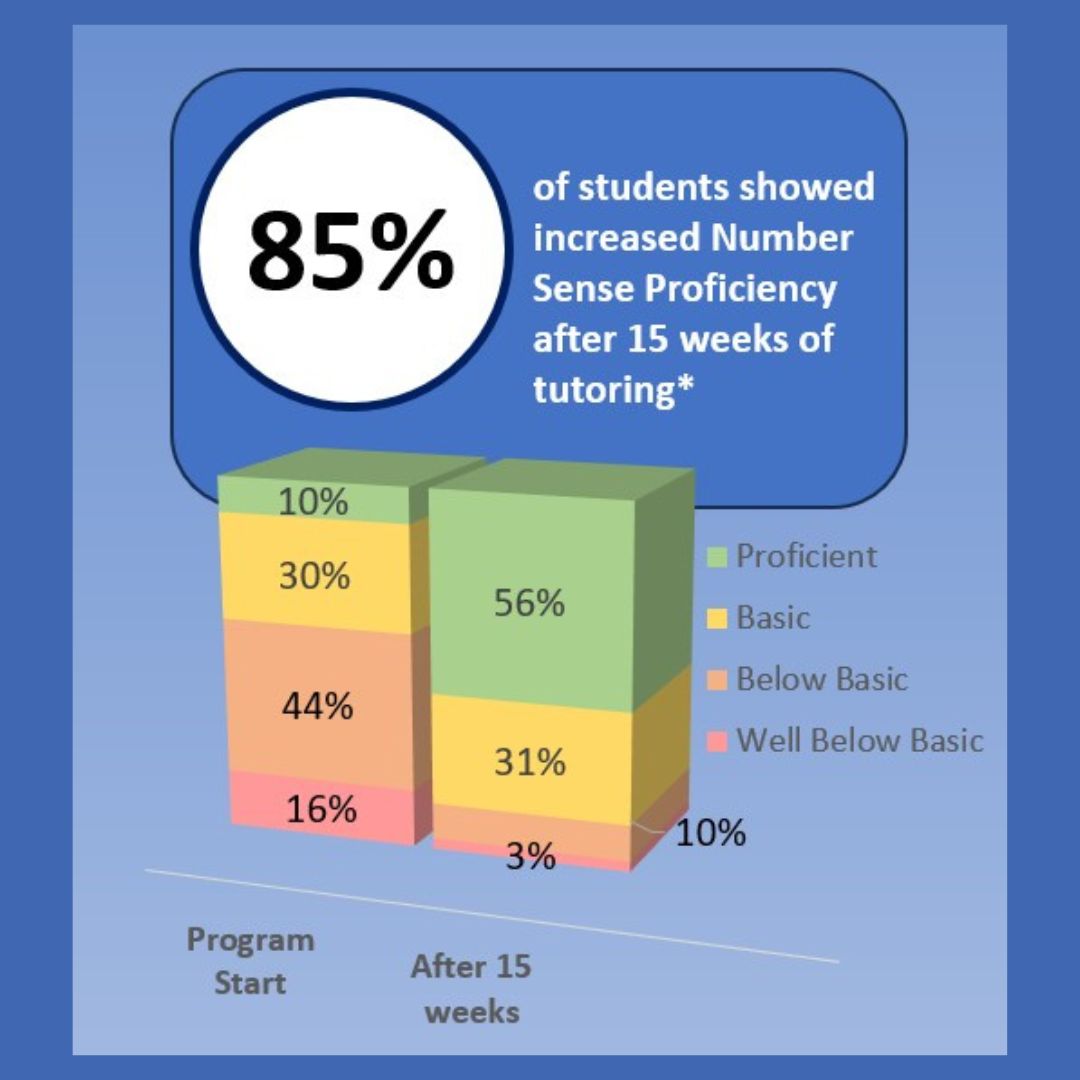
Graph showing that 86% of students showed increased number proficiency after 15 weeks of tutoring 


What do kids think about the program? 
Listen to students tell us what they would say to their friends about MOST/HDT:
 
  • What we do
  • What I like about it

Screenshot of Video "What Kids Like About After-School Math"

Watch Video


 Image of a Yellow Caution Sign that says "Caution, your child will have fun. They will want to play math games at home!"Image of a Yellow Caution Sign that says "Caution, your child will have fun. They will want to play math games at home!"Image of a Yellow Caution Sign that says "Caution, your child will have fun. They will want to play math games at home!"Image of a Yellow Caution Sign that says "Caution, your child will have fun. They will want to play math games at home!"

Supporting Math Learning at Home

"If you want to know how to nurture the mathematical instincts of your children, play is the answer. What books are to reading, play is to mathematics. A home filled with blocks, puzzles, games and play, is a home where mathematical thinking can flourish." -Dan Finkel

5 Ways to Share Math with Kids

Screenshot image of video: TED talk given by Dan Finkel "Five Principles of Extraordinary Math Teaching" 
Guide your Child's Thinking
with These Questions
Thumbnail image of PBS Flyer - Effective Questions
Everyday Activity Example
(En Español)

Screenshot of video where a teacher leads a number talk in SpanishWatch Video

Digital Rekenrek
Screenshot of Webpage showing the Number Rack app
Math Learning Center

Math Games

These are games your child may be learning during their MOST/HDT program that are easy to play together at home.

Games to Play at Home Using Attributes for Math Thinking

 Image of child playing with toy cars


DIY Puzzles Develop Spatial Thinking

Image of puzzle pieces made from an empty cereal box